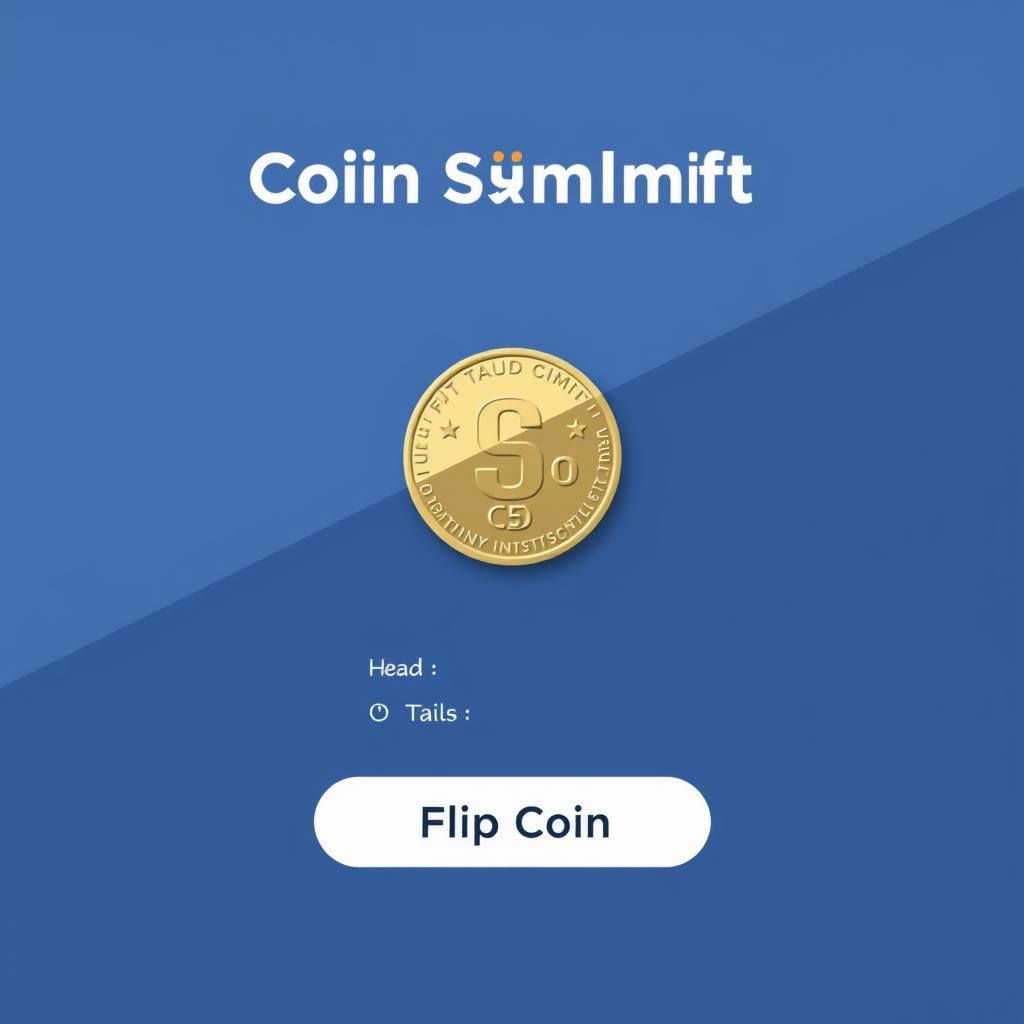
Ready to Leave Your Decision to Chance?
Our coin flip simulator provides truly random results with perfect 50/50 probability.
Virtual Coin Flip Simulator
Our tails or heads simulator uses advanced random number generation to ensure completely fair results every time. Unlike physical coins that may have slight manufacturing biases, this digital coin toss provides perfect 50/50 probability
The Fascinating History of Coin Flipping
The practice of flipping a coin to make decisions dates back thousands of years. Throughout history, this simple act has helped determine fates, settle disputes, and even name cities.
Ancient Origins
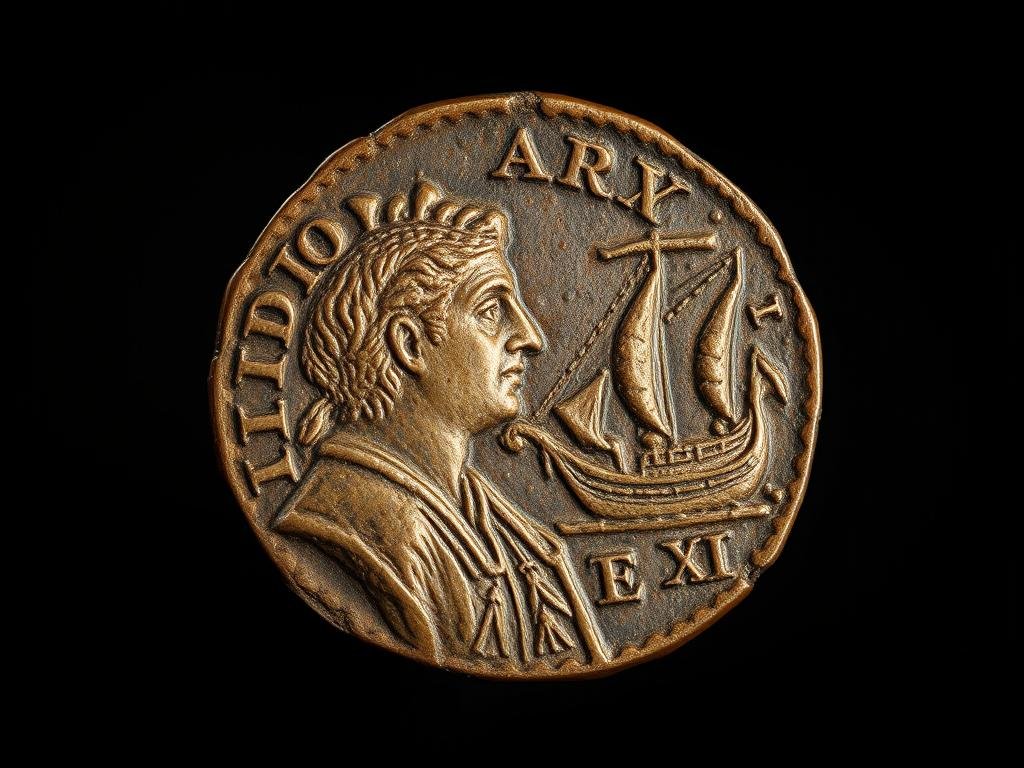
The earliest recorded coin flips date back to Ancient Rome, where the game was called “navia aut caput” (ship or head). Roman coins featured the emperor’s head on one side and often a ship on the other, giving rise to the terminology we still use today.
Medieval Period
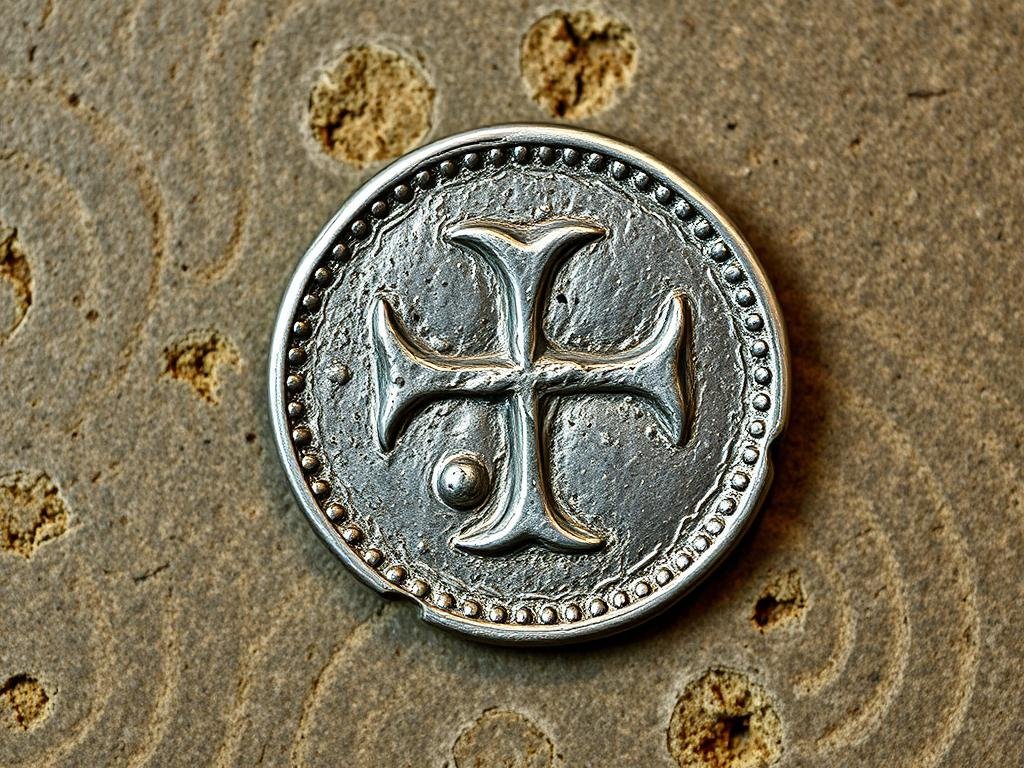
During the Middle Ages in Britain, coin flipping was known as “cross and pile” because many coins featured a cross on one side. The term “pile” referred to the hammer used to strike the coin during minting, which left an impression on the reverse side.
Modern Usage
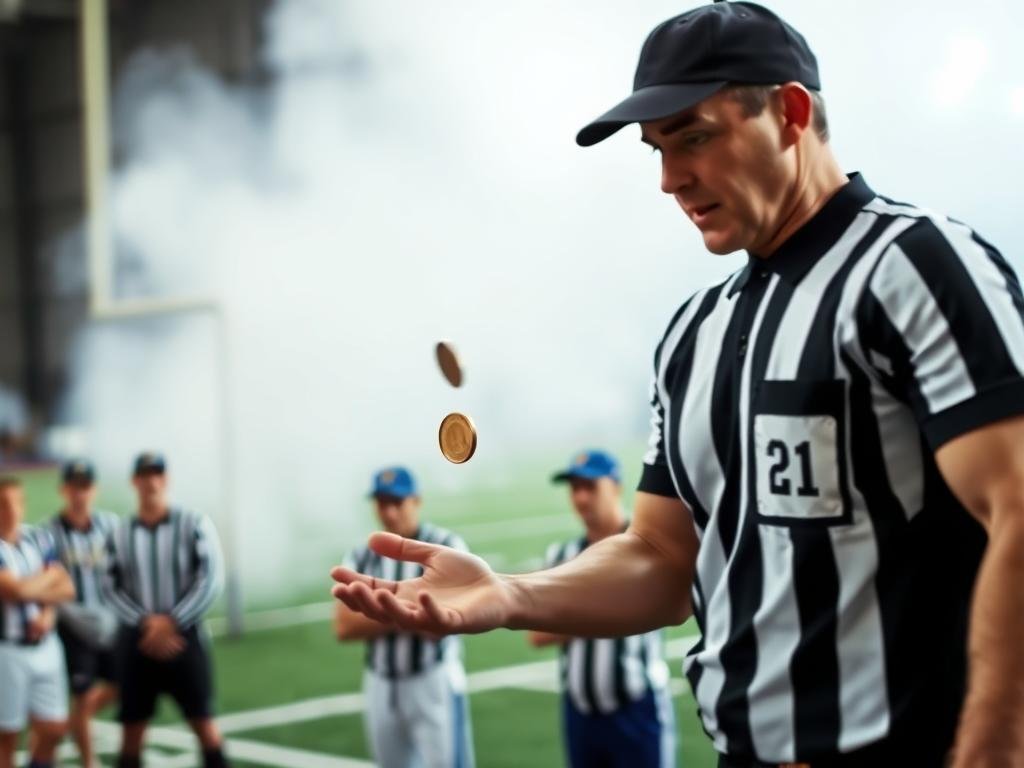
Today, the coin toss is used in sports to determine which team goes first, in politics to break ties in elections, and in everyday life to make quick decisions. The Super Bowl famously begins with a ceremonial coin toss that millions watch each year.
Can’t find a coin? No problem!
Famous Coin Flips That Changed History
Throughout history, simple coin flips have determined major outcomes that shaped our world. Here are some of the most influential coin tosses ever made.
The Portland Penny (1845)
The city of Portland, Oregon was named after a coin toss. The city’s founders, Asa Lovejoy and Francis Pettygrove, each wanted to name the new settlement after their respective hometowns. They decided to settle the dispute with a best-of-three coin toss. Pettygrove won, and named the city after Portland, Maine.

The Wright Brothers’ First Flight (1903)
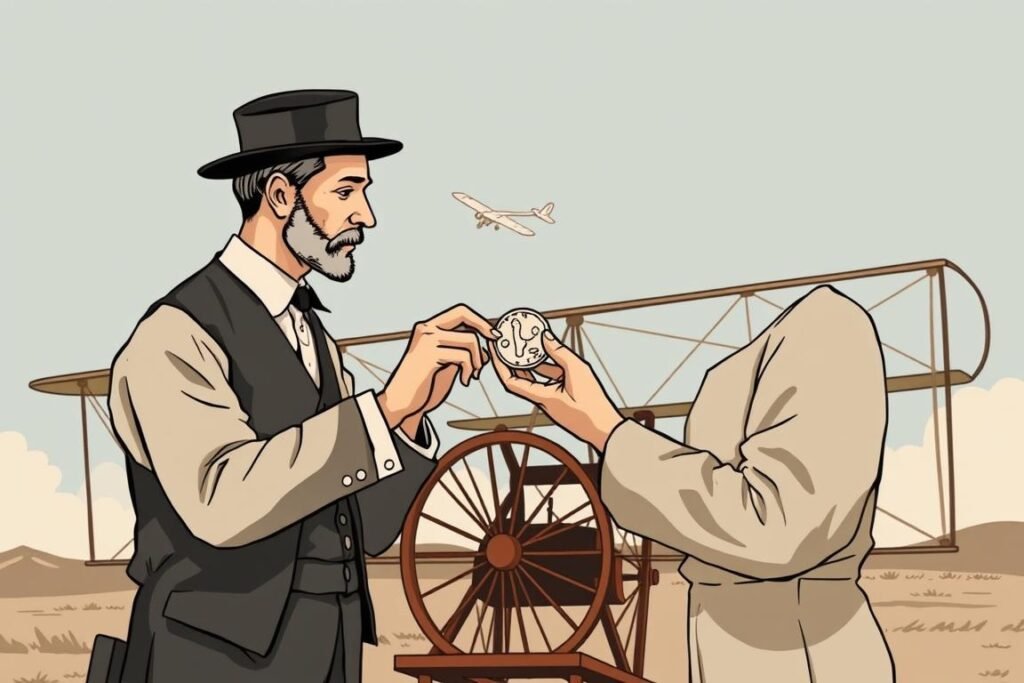
On December 14, 1903, Wilbur and Orville Wright flipped a coin to decide who would pilot their flying machine on its first attempt. Wilbur won the toss but crashed during his attempt. Three days later, Orville took his turn and completed the first successful powered flight in history.
The “Day the Music Died” (1959)
On February 3, 1959, a coin toss determined who would fly on the ill-fated plane that crashed and killed Buddy Holly, Ritchie Valens, and J.P. Richardson. Valens won a coin toss against guitarist Tommy Allsup for a seat on the plane. This tragic event was later immortalized as “The Day the Music Died” in Don McLean’s song “American Pie.”

Secretariat’s Ownership (1969)
The legendary racehorse Secretariat, winner of the 1973 Triple Crown, came into the world because of a coin toss. Ogden Phipps and Penny Chenery flipped a coin to determine who would get first pick of foals from a breeding arrangement. Phipps won and chose a different foal, leaving Secretariat to Chenery – a decision that changed horse racing history.

Make your own history with a virtual coin toss!
Understanding Coin Flip Probability
While we often think of a coin toss as a perfect 50/50 chance, the mathematics and physics behind coin flipping reveal some surprising insights.
The Mathematics of Chance
In probability theory, a fair coin toss is considered to have exactly 50% chance of landing heads and 50% chance of landing tails. This makes it a perfect binary random generator. However, in reality, physical coins can have slight biases due to manufacturing imperfections or weight distribution.
When you flip a coin multiple times, you might expect to get exactly half heads and half tails, but probability doesn’t work that way in small samples. This is why our virtual coin flip provides a counter to track your results over time.
“As the number of flips increases, the ratio of heads to total flips will converge to 1/2. This is known as the Law of Large Numbers in probability theory.”
Physical Coins vs. Virtual Flips
Research by Stanford mathematician Persi Diaconis has shown that physical coin flips aren’t perfectly random. A coin has about a 51% chance of landing on the same face it started on. Additionally, a skilled flipper could theoretically control the outcome.
Our virtual tails or heads simulator eliminates these physical biases by using true random number generation, ensuring each flip has exactly equal probability regardless of previous results.
Test probability theory yourself!
Practical Uses for a Tails or Heads Coin Flip
Beyond its mathematical interest, the humble coin flip serves many practical purposes in our daily lives. Here are some common scenarios where flipping a coin can be genuinely useful.
Decision Making
When faced with two equally appealing options, a coin flip can break the deadlock. Psychologists note that our reaction to the result often reveals our true preference – if you feel disappointed with the outcome, you’ve learned what you really wanted!
Starting Games
From football to cricket, many sports use a coin toss to determine who goes first or chooses sides. This provides a fair, unbiased method that both teams can agree on without dispute.

Settling Disputes
When two people can’t agree and compromise isn’t possible, a coin flip offers a fair resolution that removes personal bias and emotion from the equation.

Teaching Probability
Coin flipping provides an excellent introduction to probability concepts for students. By recording results of multiple flips, students can observe statistical principles like the law of large numbers in action.
Need to make a quick decision?
Frequently Asked Questions About Coin Flipping
Is an online coin flip truly random?
Yes, our tails or heads simulator uses cryptographically secure random number generation to ensure completely random results with perfect 50/50 probability. Unlike physical coins which can have slight biases due to manufacturing imperfections, our virtual coin flip is mathematically fair.
How can I use a coin flip to make difficult decisions?
Beyond simply accepting the result, pay attention to your emotional reaction when the coin lands. If you feel disappointed with the outcome, that’s valuable information about what you truly want. This technique, sometimes called the “Freudian Coin Toss,” uses the coin flip not as the final decision-maker but as a tool to reveal your hidden preference.
What is a “best of three” coin flip and when should I use it?
A “best of three” approach involves flipping a coin three times and going with the majority result (two or more of either heads or tails). This method is useful when you want to reduce the element of chance slightly while still maintaining randomness. It’s commonly used in sports and competitions to determine initial advantages.
Can I use the coin flip simulator on my mobile device?
Absolutely! Our tails or heads simulator is fully optimized for mobile devices. The responsive design works perfectly on smartphones and tablets, allowing you to make random decisions on the go without needing a physical coin.
Is there any way to predict a coin flip outcome?
For physical coins, research suggests that a coin has a slight bias (about 51%) to land on the same face it started on, and a skilled flipper with practice could potentially influence the outcome. However, our virtual coin flip eliminates these physical variables, making prediction impossible – each result is truly random with exactly 50/50 probability. Extra Article: Coin flipping, coin tossing, or heads or tails
Still have questions? Try the coin flip yourself!
Why Choose Our Tails or Heads Simulator?
True Randomness
Unlike physical coins which can have manufacturing biases, our virtual coin flip provides mathematically perfect 50/50 probability for truly random results every time.
Always Available
No more searching for loose change or suitable coins. Our tails or heads simulator is always at your fingertips on any device with internet access.
Track Your Results
Our simulator keeps count of heads and tails results, allowing you to track outcomes over multiple flips – perfect for games, teaching probability, or satisfying curiosity.
Ready to Leave It to Chance?
Make your next decision with our perfect 50/50 coin flip simulator.